Monitoring bloom dynamics
Harmful Algal Blooms (HABs)
Harmful algal bloom monitoring detects and characterizes toxin‑producing or nuisance blooms that threaten ecosystems and human health. Sensors track chlorophyll, phycocyanin/phycoerythrin proxies, nutrients, temperature, and light to anticipate bloom onset and decline. Integrated data guide advisories, aquaculture protection, and mitigation, reducing economic losses and safeguarding communities.
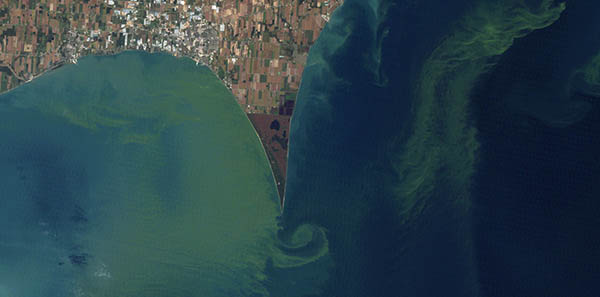
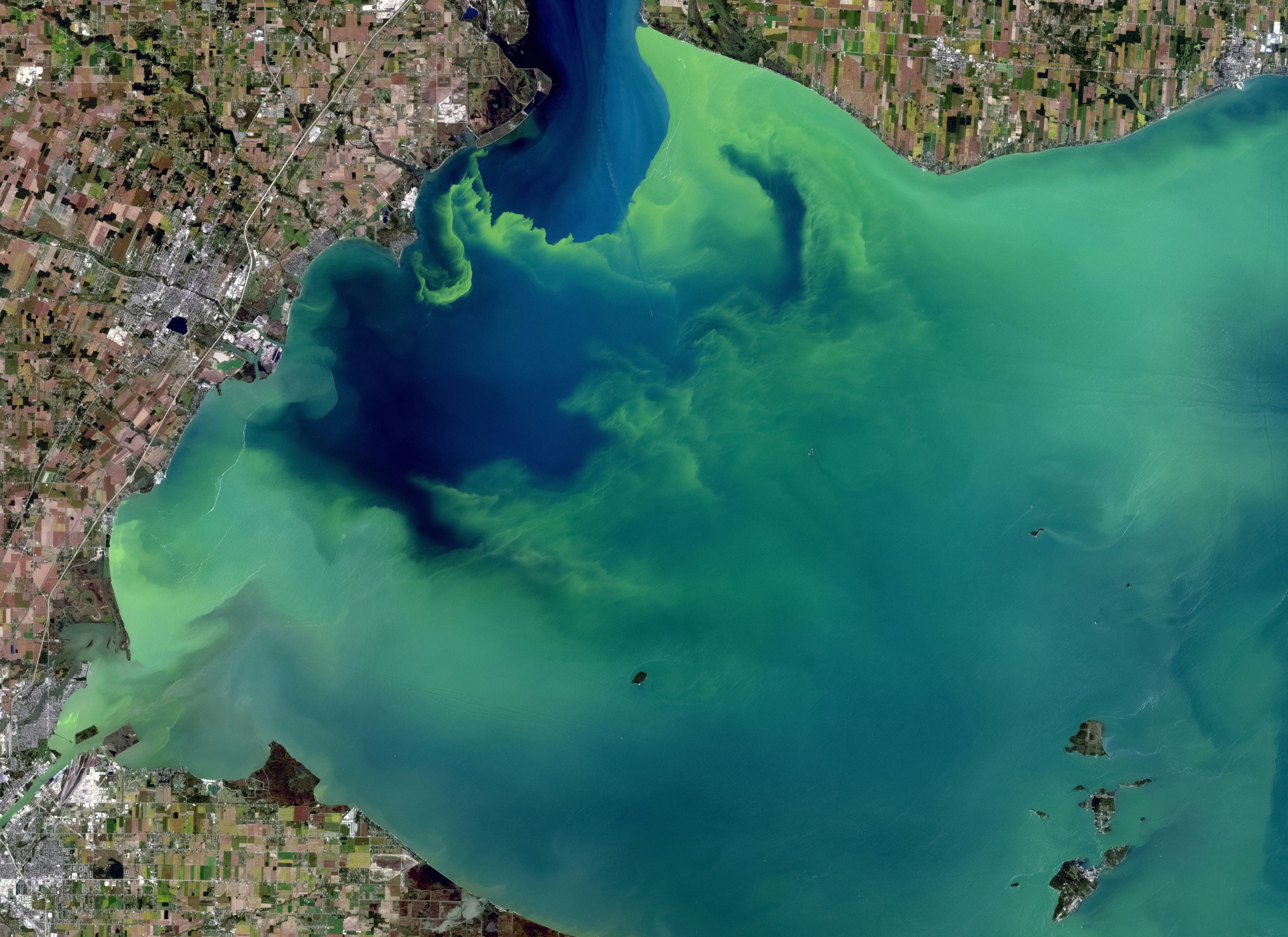
Harmful algal blooms can produce toxins, deplete oxygen, and disrupt ecosystems, fisheries, and water safety - making early detection and monitoring essential for environmental and public health.
Harmful algal blooms (HABs) form when environmental conditions favor explosive algae growth—typically driven by nutrient enrichment, rising temperatures, and stable water columns. These blooms can release toxins, reduce oxygen levels, and damage aquatic ecosystems, fisheries, and drinking water supplies. Monitoring chlorophyll, phycocyanin, oxygen, and nutrients helps predict bloom onset and guide mitigation strategies to protect communities and marine life.
Detecting Harmful Blooms
Sea-Bird Scientific instruments deliver trusted harmful algal bloom data
Sea-Bird Scientific solutions for aquaculture and fisheries monitoring
Absorption & Attenuation
Our absorption & attenuation solutions
Depth
Depth monitoring helps optimize cage placement and assess environmental conditions.
View depth solutions
Fluorescence
Indicates organic matter and phytoplankton activity, key to carbon fixation processes.
Our fluorescence solutions
Nitrate
Monitor nitrate to prevent harmful buildup and maintain water quality for fish.
View nitrate solutions
Oxygen
Monitor dissolved oxygen to prevent stress and ensure optimal growth in aquaculture.
View oxygen solutions
pH
Track pH levels to maintain water chemistry and protect fish health and productivity.
View pH solutions
Salinity
Monitor dissolved oxygen to prevent stress and ensure optimal growth in aquaculture.
View salinity solutions
Temperature
Control temperature for ideal fish growth and prevent harmful thermal fluctuations.
View temperature solutions
Turbidity
Indicates sediment and particles reducing water clarity and light. High turbidity limits coral photosynthesis and growth.
Our turbidity solutions
HAB Monitoring Challenges
Overcoming Complexities in Harmful Algal Bloom Research
Monitoring harmful algal blooms is challenging due to rapid changes in water chemistry, temperature, and biological activity. Parameters like pH, temperature, salinity, depth, oxygen, fluorescence, turbidity, and nitrate must be measured accurately to detect blooms early and mitigate impacts. Sea-Bird Scientific’s advanced sensors deliver precise, real-time data, enabling researchers to track bloom dynamics, protect ecosystems, and safeguard water quality across lakes, rivers, and oceans.
ECO V2 Optical Sensor
Dive into the next generation of optical monitoring with Sea-Bird Scientific’s cutting-edge ECO V2...
SUNA V2
The SUNA V2 is the ultimate solution for real-time nutrient monitoring. This sensor measures...
HydroCAT-EP V2 Multiparameter CTD Sensor
Factory calibration and streamlined reference checks enable users to generate scientifically...
How our solutions are shaping harmful algal bloom research
Discover how government, academic, and industry leaders use Sea-Bird Scientific instruments to advance research, monitor ecosystems, and shape global water policy.
Case Study
10.01.25
Revealing the Complex Dynamics of Antarctic Ice Shelf Melting with Sea-Bird Scientific’s SBE 49 FastCAT CTD + PDIM
This highlight was developed in partnership with the British Antarctic Survey. Sea-Bird Scientific interviewed Peter Davis, Ph.D., co-PI of the MELT project as part of the International Thwaites Glacier Collaboration at the British Antarctic Survey.
Learn More
Technology Guide
10.01.25
Inductive Modem Telemetry
Ocean scientists, researchers, and offshore engineers
are leveraging inductive modem technology to enable
seamless, cable-free data transmission between
subsurface instruments and buoy systems—streamlining
deployment and enhancing long-term monitoring
capabilities.
Learn More
Technology Guide
10.01.25
Sensors for AUV-ROV & Autonomous Platforms
Autonomous and remotely operated underwater vehicles
are revolutionizing ocean science by accessing environments
beyond the reach of traditional research methods. These
platforms, equipped with high-precision sensors, enable realtime
data collection while dramatically reducing operational
costs.
Learn More
Get in touch
Contact our team
Ready to take the next step? Connect with Sea-Bird Scientific’s team for personalized guidance, support, or to request a quote for our solutions.