Monitoring offshore impact
Oil & Gas Monitoring
Oil and gas environmental monitoring assesses operational footprints in marine and freshwater settings. Measurements of hydrocarbons, turbidity, oxygen, pH, and nutrients track leaks, plumes, and habitat impacts. Baseline and active surveys guide compliance, risk mitigation, and remediation to protect ecosystems while projects proceed.
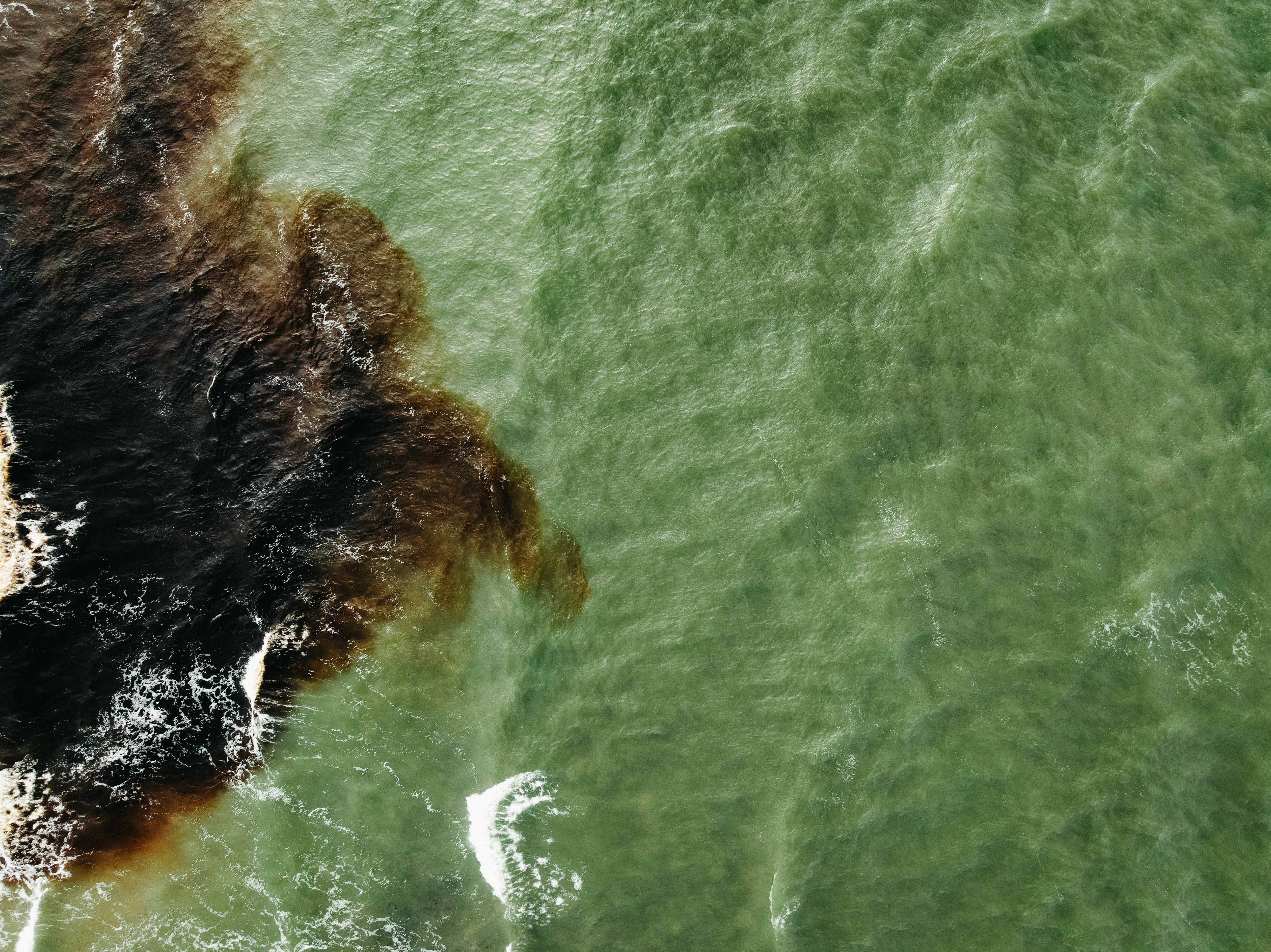
Oil and gas operations can impact marine environments through sediment disturbance, chemical discharge, and hydrocarbon leaks.
Offshore oil and gas activities pose risks to water quality and marine life. Sediment disruption and accidental spills can alter turbidity, oxygen levels, and introduce hydrocarbons. Continuous monitoring of these parameters helps identify early signs of environmental stress, supports regulatory compliance, and minimizes ecological damage - critical for balancing energy development with ocean stewardship.
Monitoring offshore impact
Sea-Bird Scientific instruments deliver trusted oil & gas monitoring data
Backscattering
Measures particle concentration, signaling organic matter and sediment dynamics.
View backscattering solutions
Depth
Depth monitoring helps optimize cage placement and assess environmental conditions.
View depth solutions
Fluorescence
Indicates organic matter and phytoplankton activity, key to carbon fixation processes.
Our fluorescence solutions
Oxygen
Monitor dissolved oxygen to prevent stress and ensure optimal growth in aquaculture.
View oxygen solutions
Salinity
Monitor dissolved oxygen to prevent stress and ensure optimal growth in aquaculture.
View salinity solutions
Temperature
Control temperature for ideal fish growth and prevent harmful thermal fluctuations.
View temperature solutions
Turbidity
Indicates sediment and particles reducing water clarity and light. High turbidity limits coral photosynthesis and growth.
Our turbidity solutions
Oil & Gas Monitoring Risks
Why Rigorous Monitoring Is Critical for Offshore Oil & Gas Operations
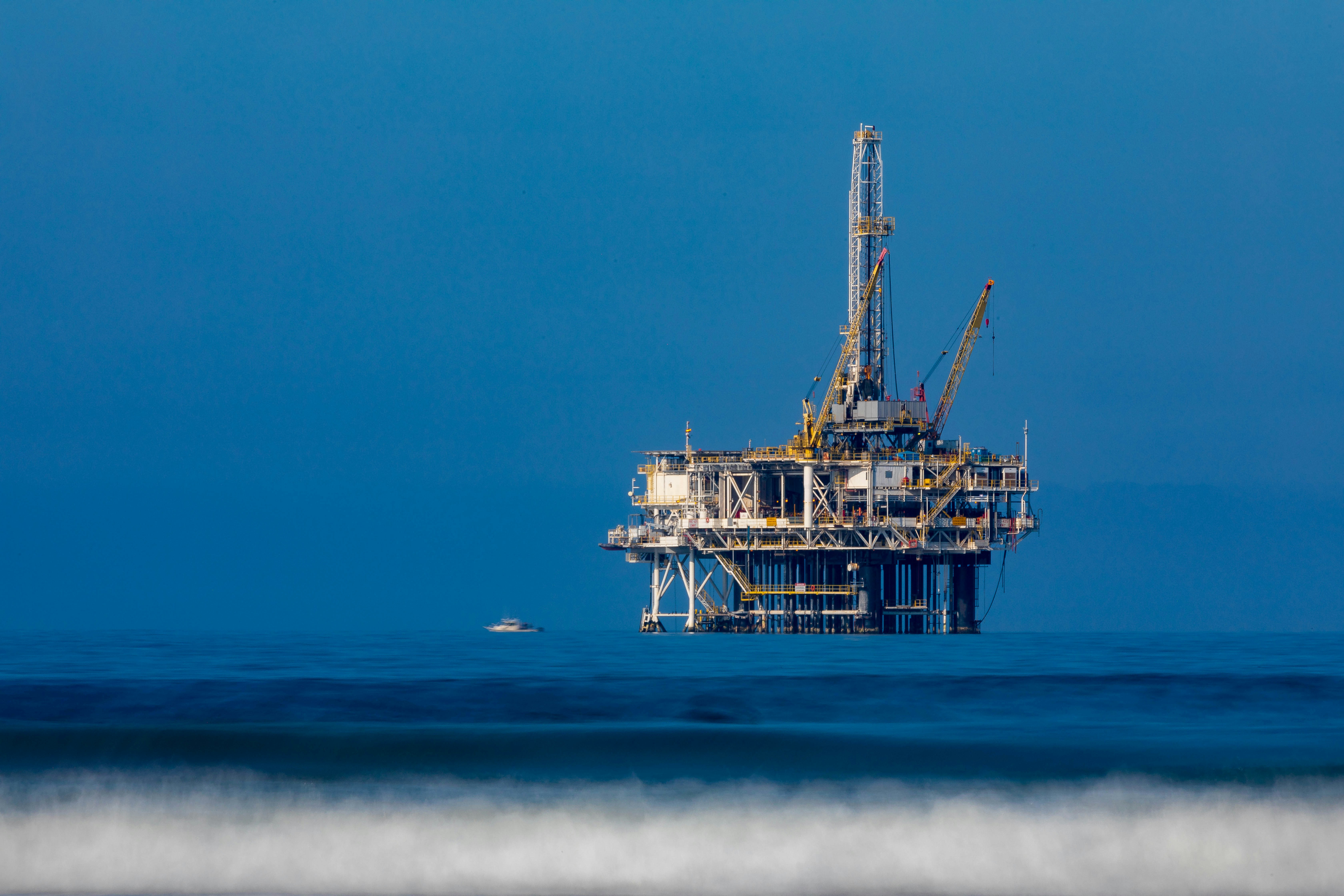
Offshore operations face harsh seas, biofouling, and deep‑water access constraints that can obscure real conditions. Compliance depends on fast, defensible measurements of oil‑in‑water, turbidity, salinity, pH, oxygen, and depth. Currents, stratification, and temperature drive plume transport and corrosion risk. Sea‑Bird Scientific CTDs and optical sensors detectors provide stable, high‑accuracy data streams for spill detection, impact assessment, and transparent reporting.
SeaOWL UV-A™
Based-upon the highly successful ECO sensor, Sea-Bird Scientific has developed an industry-leading...
SBE 19plus SeaCAT Profiler CTD
Best Effort Service available
ECO V2 Optical Sensor
Dive into the next generation of optical monitoring with Sea-Bird Scientific’s cutting-edge ECO V2...
Making an impact
How our solutions are shaping oil & gas monitoring
Discover how government, academic, and industry leaders use Sea-Bird Scientific instruments to advance research, monitor ecosystems, and shape global water policy.
News
03.24.26
Press Release: Sea-Bird Scientific Sensor Successfully Integrated with Sofar Ocean’s Bristlemouth Communications Ecosystem
In a significant step forward for marine research, Sea-Bird Scientific, Sofar Ocean, MEGA Lab, and Aqualink have announced the successful integration of a Sea-Bird Scientific instrument with the Bristlemouth open communications standard.
Learn More
News
03.24.26
SUNA V2 Calibration Upgrade
Our new empirical verification method ensures every SUNA V2 meets Sea-Bird Scientific’s rigorous accuracy and precision specifications, supporting our commitment to deliver high-quality instruments on
Learn More
News
12.17.25
SUNA V1 and ISUS Sensor Trade-In Offer
Sea-Bird Scientific is excited to offer a limited-time trade-in program for customers with a SUNA V1 or ISUS nitrate sensor.
Learn More
Get in touch
Contact our team
Ready to take the next step? Connect with Sea-Bird Scientific’s team for personalized guidance, support, or to request a quote for our solutions.