.svg)

Who we are
About Sea-Bird Scientific
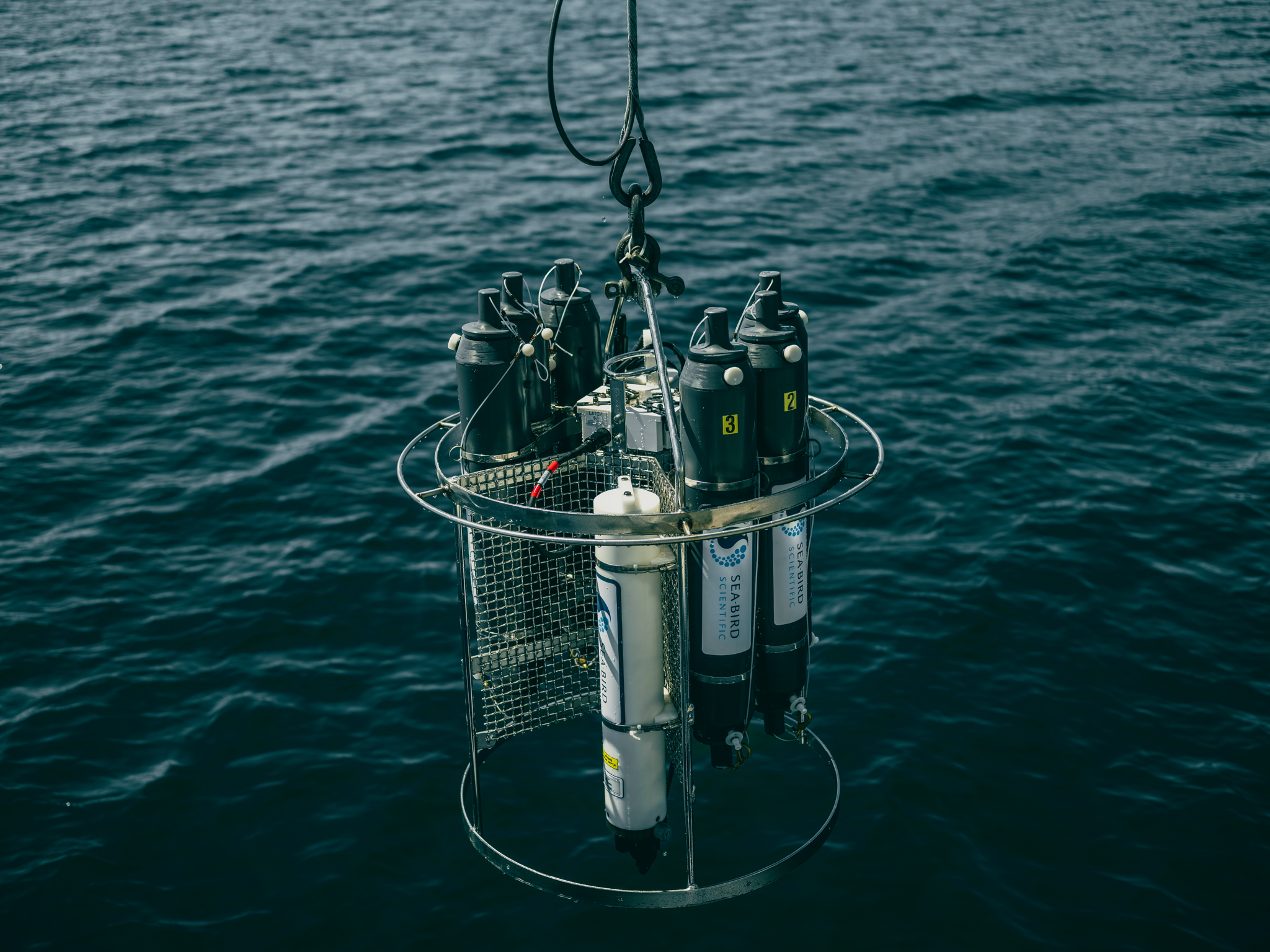
Sea-Bird Scientific delivers trusted ocean and freshwater measurement solutions that set the standard for accuracy and reliability. Our CTDs, sensors, and software empower scientists to collect precise data in the harshest environments. Backed by rigorous calibration and expert support, we enable informed decisions that advance research, protect ecosystems, and drive science forward.
Our mission
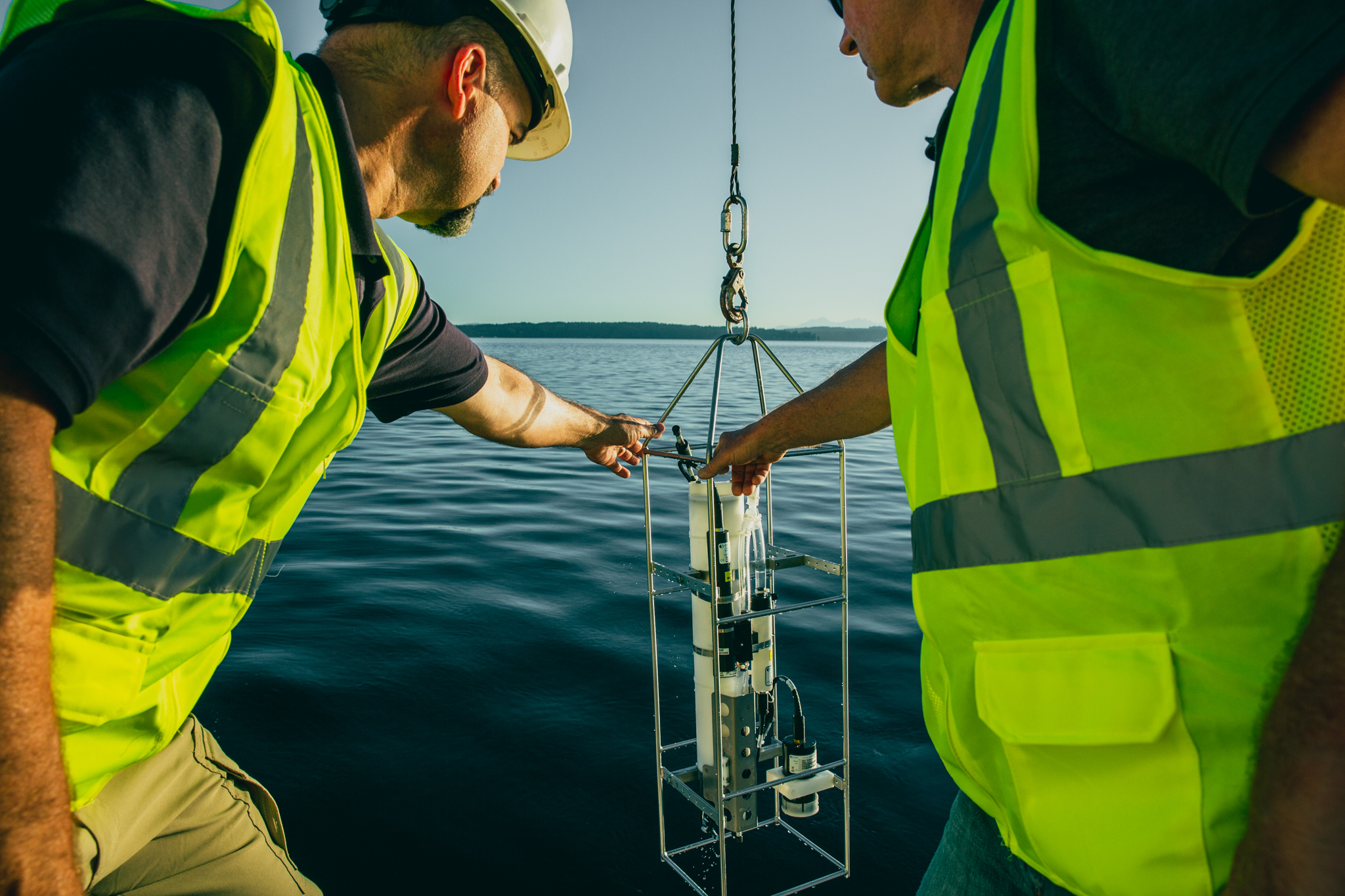
Accelerating our understanding of natural waters
Our customers work on the leading-edge of marine and freshwater science. Their results break the frontiers of what we know about natural waters and contribute to our understanding of environmental changes, ecosystem health, and more. This science relies on Sea-Bird Scientific instruments; the data we generate increases understanding and shapes policy. We exist to enable these critically important global research projects and are proud to play a part in accelerating knowledge — and conservation — of our oceans and waterways.
From the 1960s to today
Sea-Bird Scientific's Journey
1960s
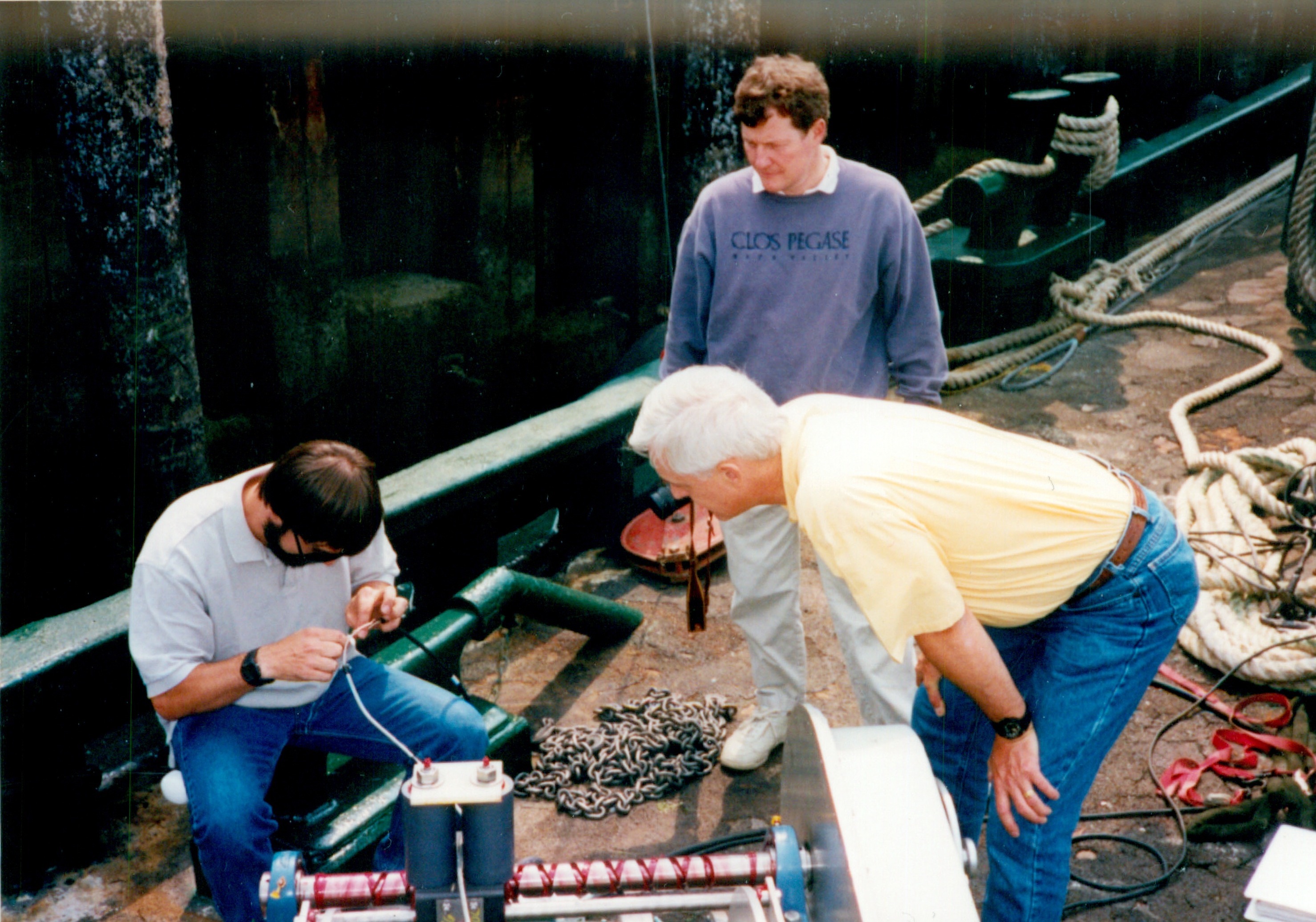
Art Pederson develops high accuracy oceanographic conductivity and temperature sensors while employed at the Applied Physics Laboratory (APL) at the University of Washington (UW).
1973
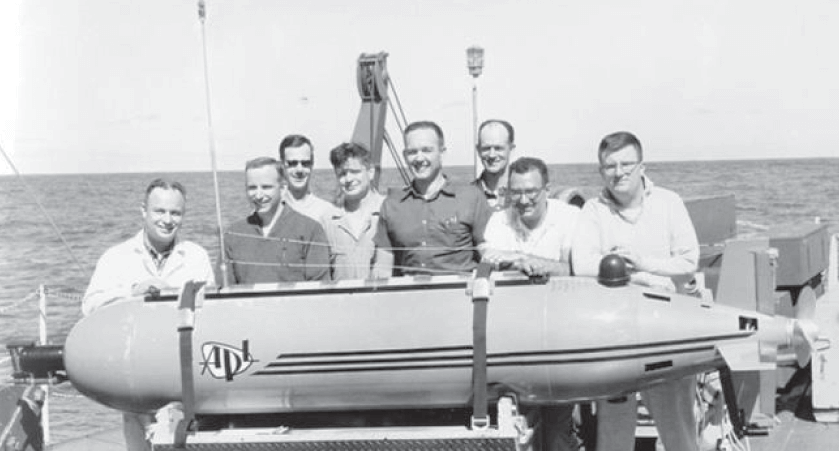
US Navy SPURV (the first autonomous oceanographic vehicles) are in operation equipped with Art Peterson's sensors.
1974
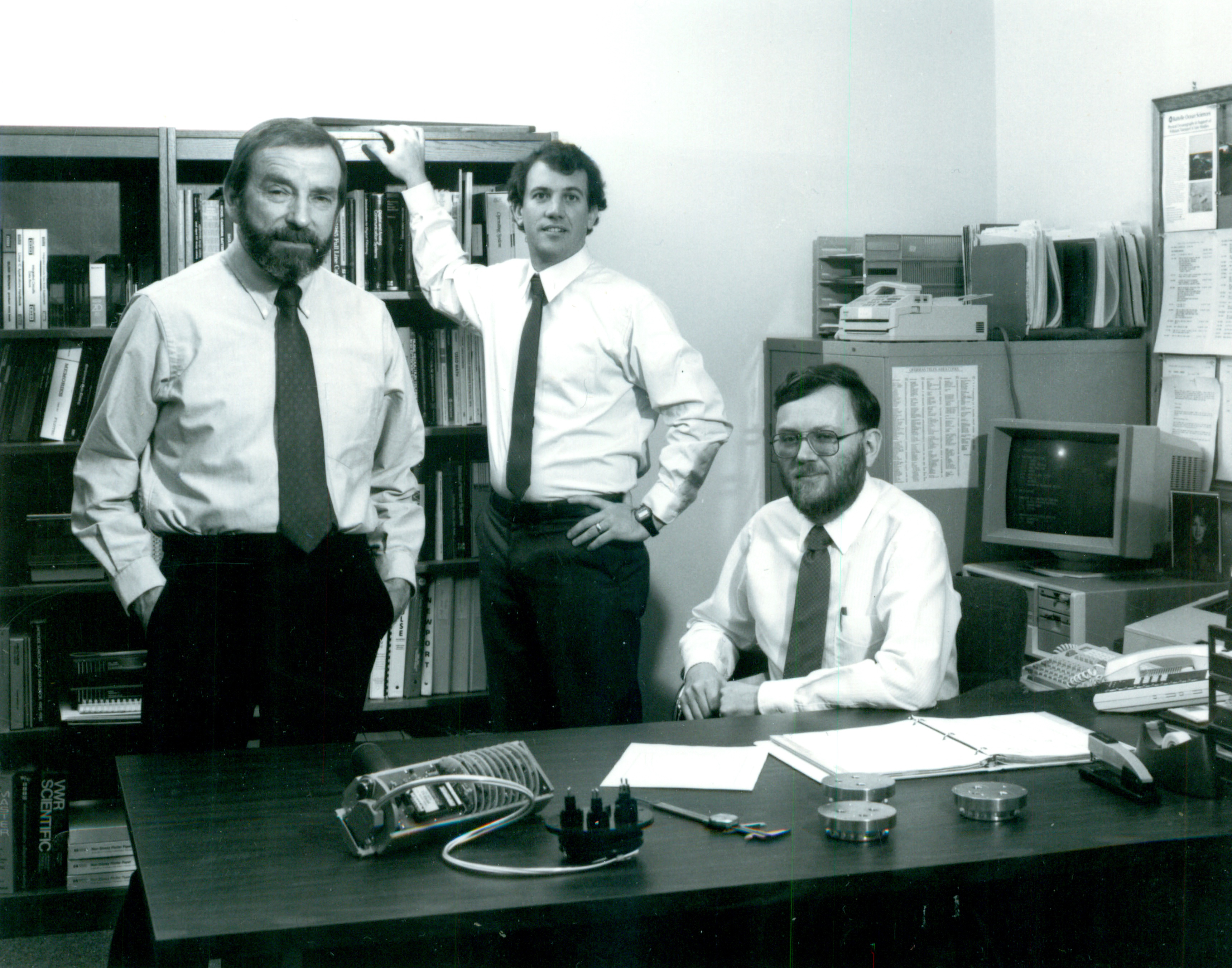
Sea-Bird is founded by Art Pederson on Mercer Island to commercialize the sensor technology he developed at APL.
1979
%20(1).png)
Sea-Bird Electronics is incorporated by Art Pederson, named to combine his two loves - the Sea, and Bird - the maiden name of his wife.
1982
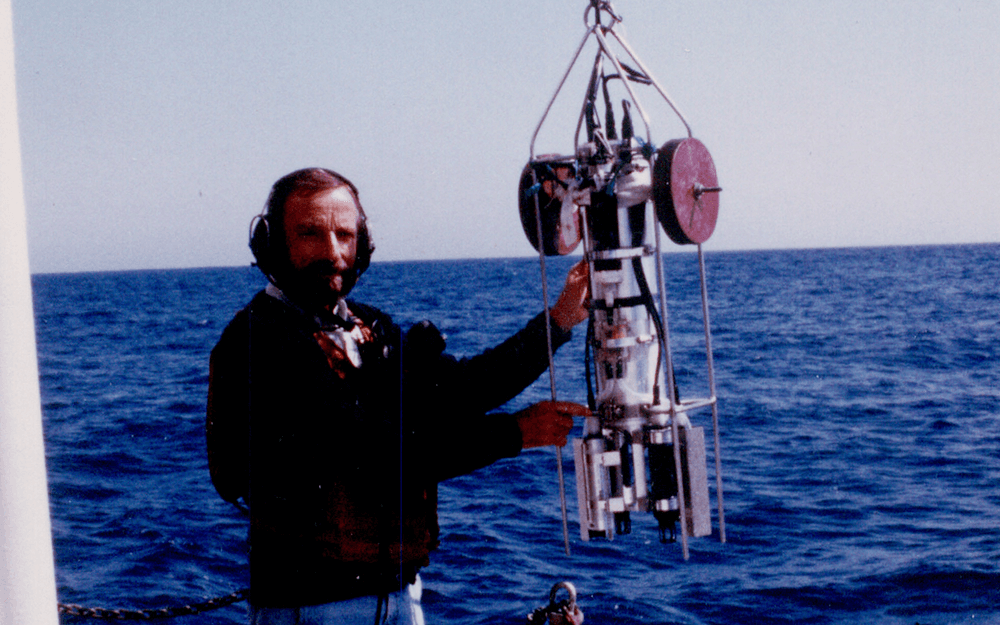
Sea-Bird introduces their first CTD, combining temperature, conductivity, and pressure measurement in one package.

.png "corporate_alliance_plus2023_Web")


Join our crew
Careers at Sea-Bird Scientific
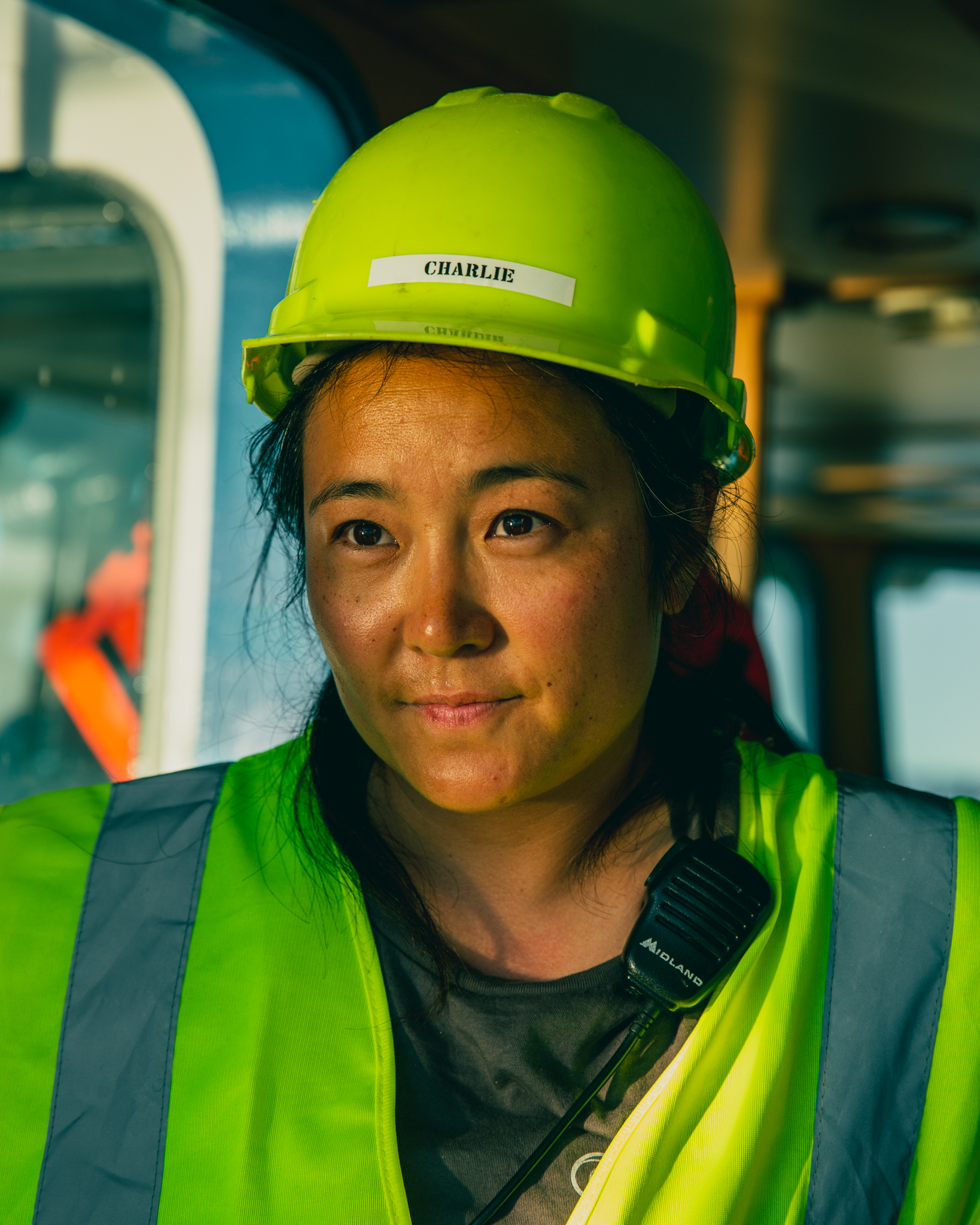
Join Sea-Bird Scientific to power science-based decisions for better waterways. Our team-centered, growth-focused culture blends engineering, metrology, field science, and mentorship to deliver trusted data for global research and monitoring. We value inclusivity and belonging and continuous improvement. Build your career with purpose—explore roles and help advance water science worldwide.
Subscribe to our newsletter
The Sea-Bird Swell
Stay connected with ocean and freshwater science through the Sea-Bird Swell newsletter. Each month, explore expert insights, product updates, and stories from the global research community. Subscribe today to receive practical tips, event highlights, and innovations that help you make informed decisions for ecosystem health. Join thousands of scientists and professionals shaping the future of water science - subscribe now!