.svg)

Safeguarding reef ecosystems
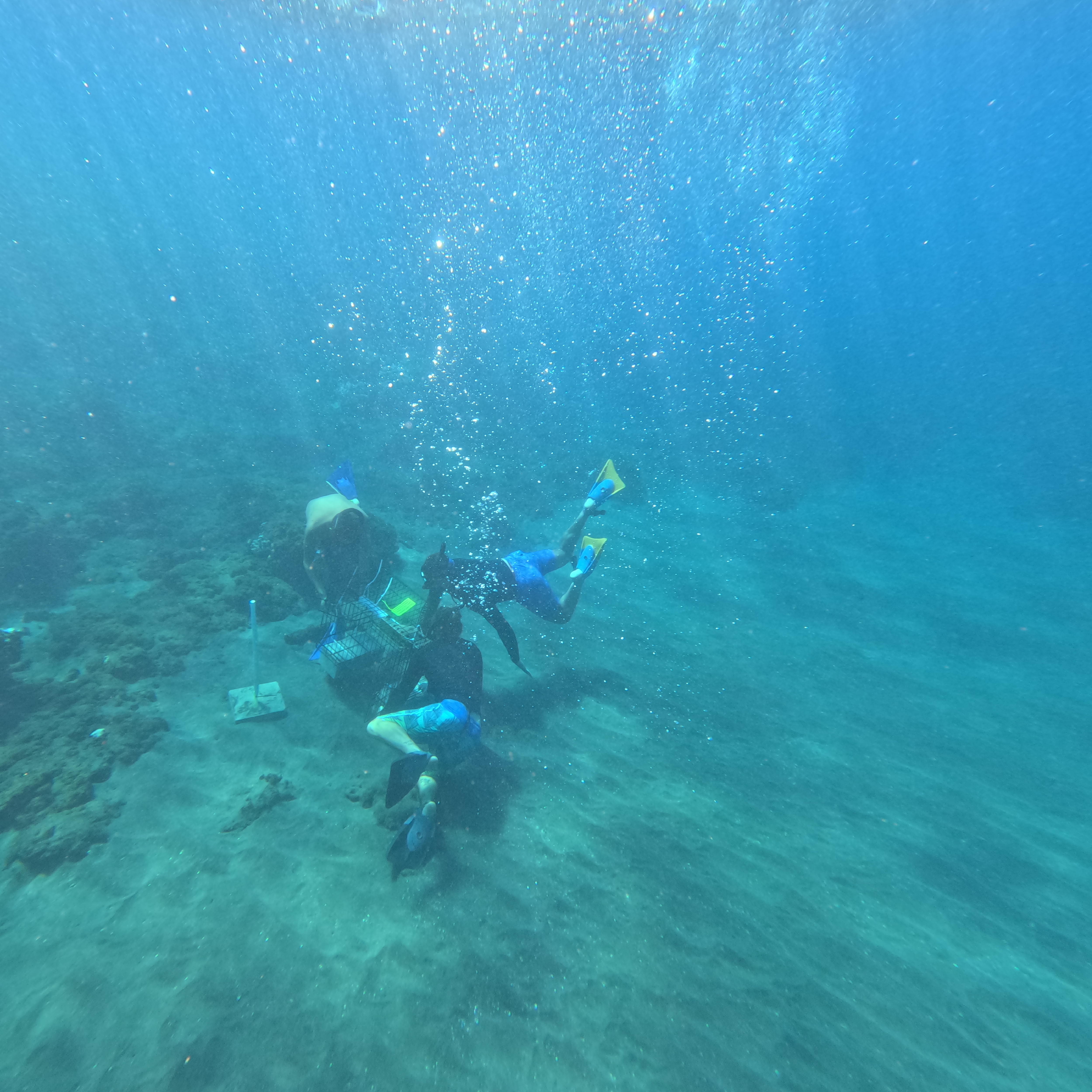
Coral Reef Monitoring
Coral reef monitoring assesses ecosystem health under compounding stressors: rapid warming that drives bleaching, acidification that weakens calcification, sediment and turbidity that reduce light for symbiotic algae, and nutrient and pollutant inputs that favor algal overgrowth. Programs establish baselines for temperature, pH, oxygen, light, and water clarity, track recovery after disturbances, and guide local management actions. Long-term, fine‑scale data are vital to protect biodiversity and coastal livelihoods.

Tracking vital reef metrics
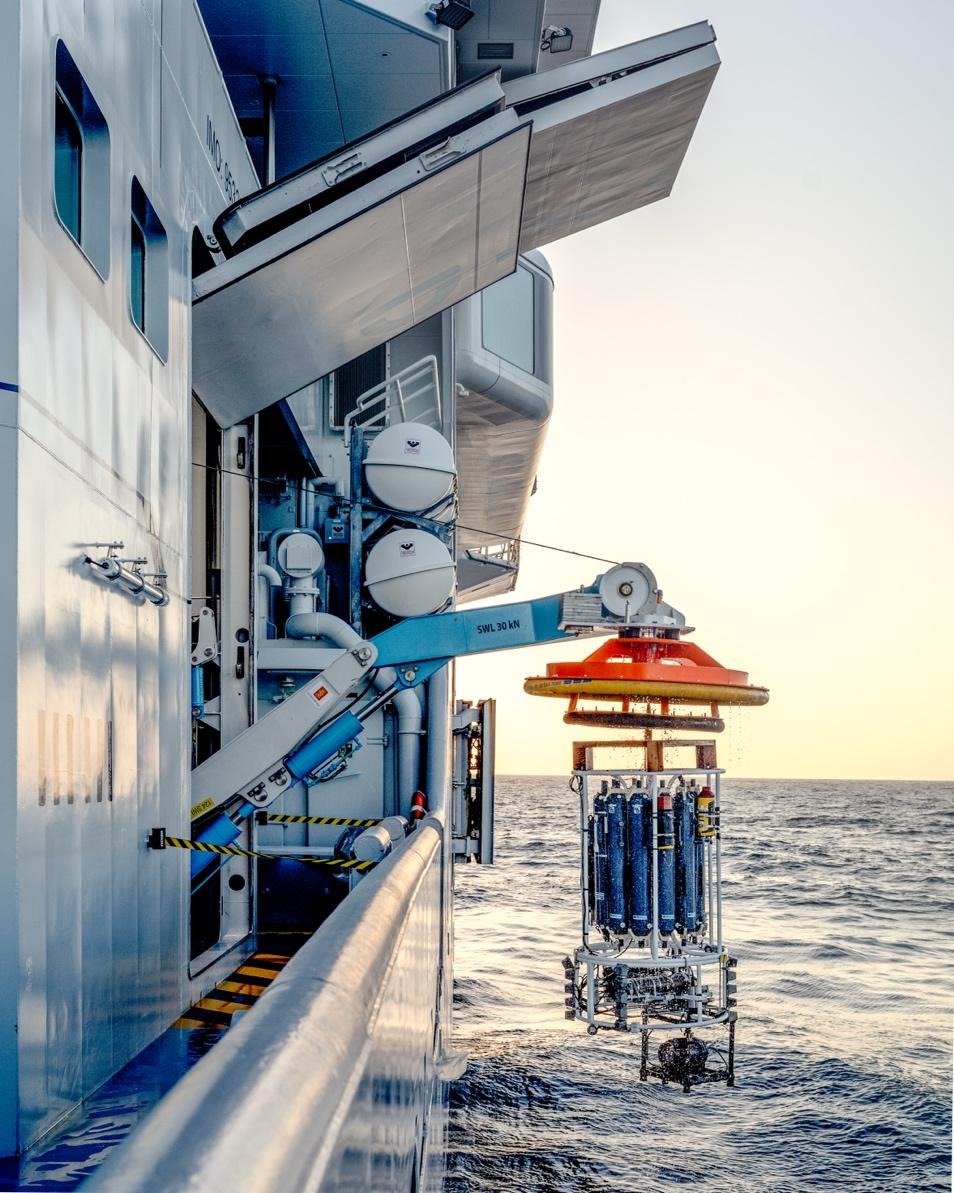
Sea-Bird Scientific instruments deliver trusted coral reef monitoring data
Monitoring reefs requires measuring temperature, pH, oxygen, chlorophyll, turbidity, and nitrate to assess ecosystem health and detect environmental stressors.
Temperature
Control temperature for ideal fish growth and prevent harmful thermal fluctuations.
View temperature solutions
Nitrate
Monitor nitrate to prevent harmful buildup and maintain water quality for fish.
View nitrate solutions
Turbidity
Indicates sediment and particles reducing water clarity and light. High turbidity limits coral photosynthesis and growth.
Our turbidity solutions
Oxygen
Monitor dissolved oxygen to prevent stress and ensure optimal growth in aquaculture.
View oxygen solutions
Radiance & Irradiance
Quantify light availability (PAR) for coral photosynthesis - detect shading, turbidity, and optical water quality changes.
Our radiance & irradiance solutions
Salinity
Monitor dissolved oxygen to prevent stress and ensure optimal growth in aquaculture.
View salinity solutions
pH
Track pH levels to maintain water chemistry and protect fish health and productivity.
View pH solutions
Fluorescence
Indicates organic matter and phytoplankton activity, key to carbon fixation processes.
Our fluorescence solutions
Backscattering
Measures particle concentration, signaling organic matter and sediment dynamics.
View backscattering solutions
Reef monitoring challenges
Key Threats to Coral Reefs: Temperature, Acidification, Pollution, and Algae
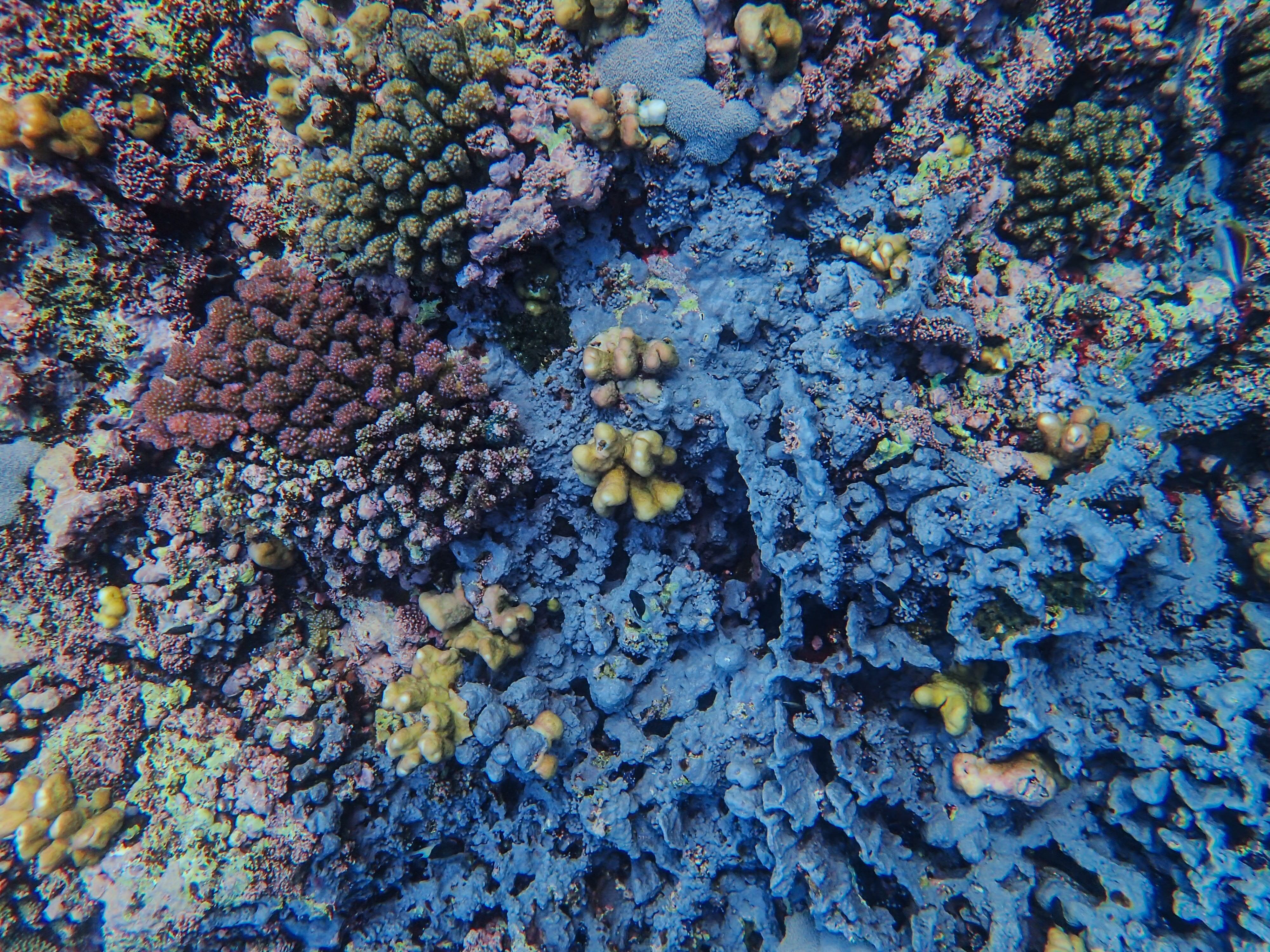
Coral reef monitoring is challenging due to rapid temperature spikes, ocean acidification that weakens calcification, sediment-driven turbidity reducing light penetration, and nutrient surges fueling algal overgrowth and hypoxia. Accurate measurement of pH, temperature, salinity, depth, oxygen, fluorescence, turbidity, and light is essential. Sea-Bird Scientific provides precise, long-term data to support reef health and conservation efforts.
Making an impact
How our solutions are shaping coral reef monitoring
Discover how government, academic, and industry leaders use Sea-Bird Scientific instruments to advance research, monitor ecosystems, and shape global water policy.