.svg)

Maintaining clean waters
Water Quality Monitoring
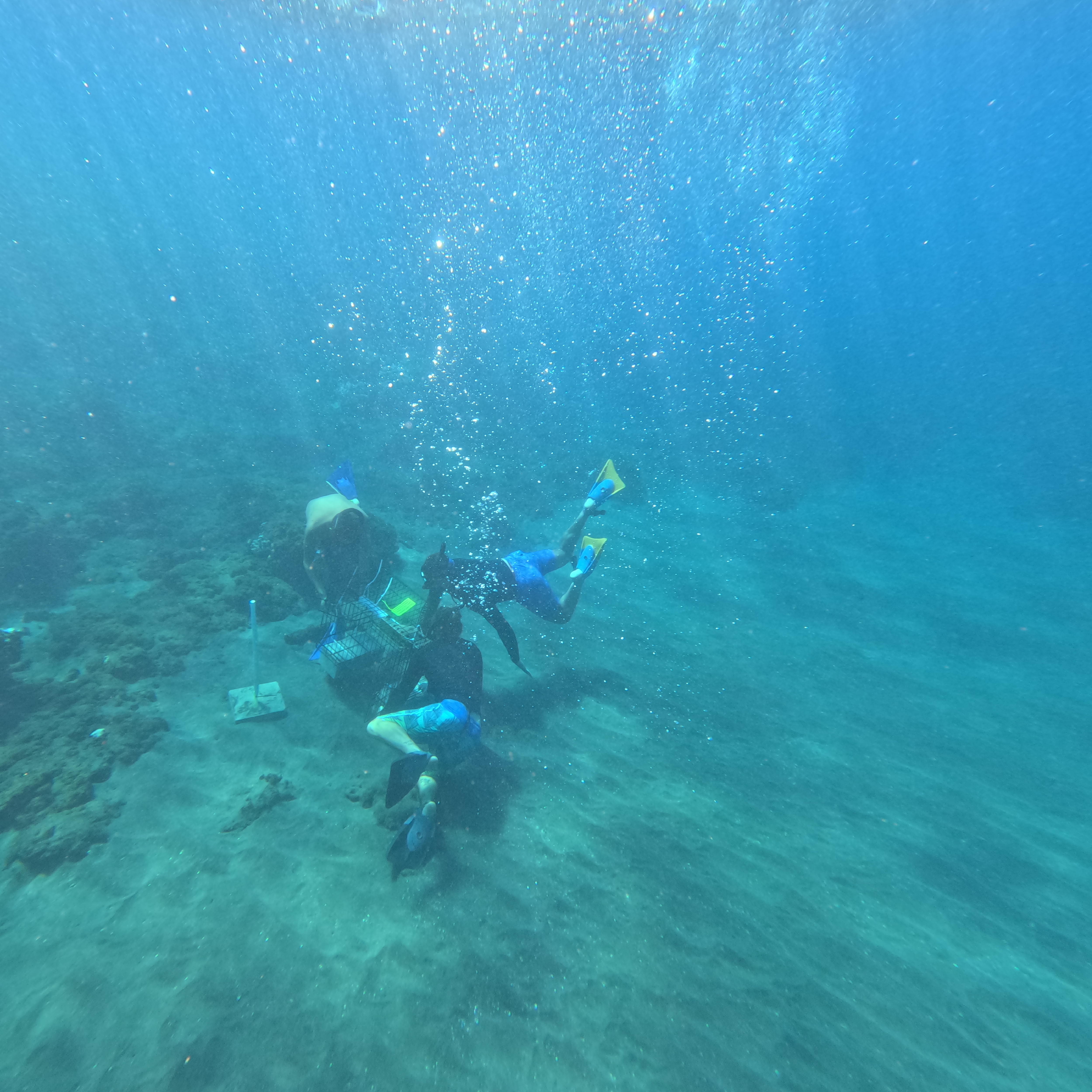
Water quality monitoring provides continuous or periodic assessment of aquatic health for public safety and ecology. Key parameters include temperature, salinity/conductivity, dissolved oxygen, pH, turbidity, nutrients, chlorophyll, and contaminants. These results guide management, compliance, and restoration across coastal, oceanic, and inland waters.

Tracking aquatic quality
Sea-Bird Scientific instruments deliver trusted water quality monitoring data
Nitrate
Monitor nitrate to prevent harmful buildup and maintain water quality for fish.
View nitrate solutions
Oxygen
Monitor dissolved oxygen to prevent stress and ensure optimal growth in aquaculture.
View oxygen solutions
pH
Track pH levels to maintain water chemistry and protect fish health and productivity.
View pH solutions
Salinity
Monitor dissolved oxygen to prevent stress and ensure optimal growth in aquaculture.
View salinity solutions
Temperature
Control temperature for ideal fish growth and prevent harmful thermal fluctuations.
View temperature solutions
Turbidity
Indicates sediment and particles reducing water clarity and light. High turbidity limits coral photosynthesis and growth.
Our turbidity solutions
Water quality challenges
Overcoming Risks in Water Quality Monitoring with Reliable Solutions
Monitoring water quality is complex due to multiple stressors acting simultaneously—nutrient spikes, turbidity, and contaminants create sharp gradients that demand high-resolution data. Instruments face biofouling, power limits, and harsh conditions, risking data gaps and compliance failures. Sea-Bird Scientific tools deliver accurate measurements of temperature, salinity, pH, oxygen, and nutrients with proven stability, ensuring defensible records for public safety and ecosystem health.

Making an impact
How our solutions are shaping water quality monitoring
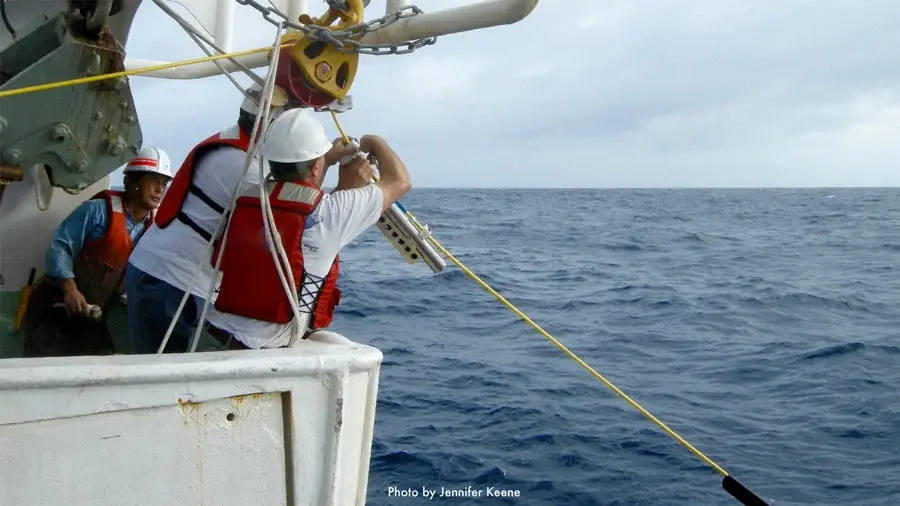
Discover how government, academic, and industry leaders use Sea-Bird Scientific instruments to advance research, monitor ecosystems, and shape global water policy.